
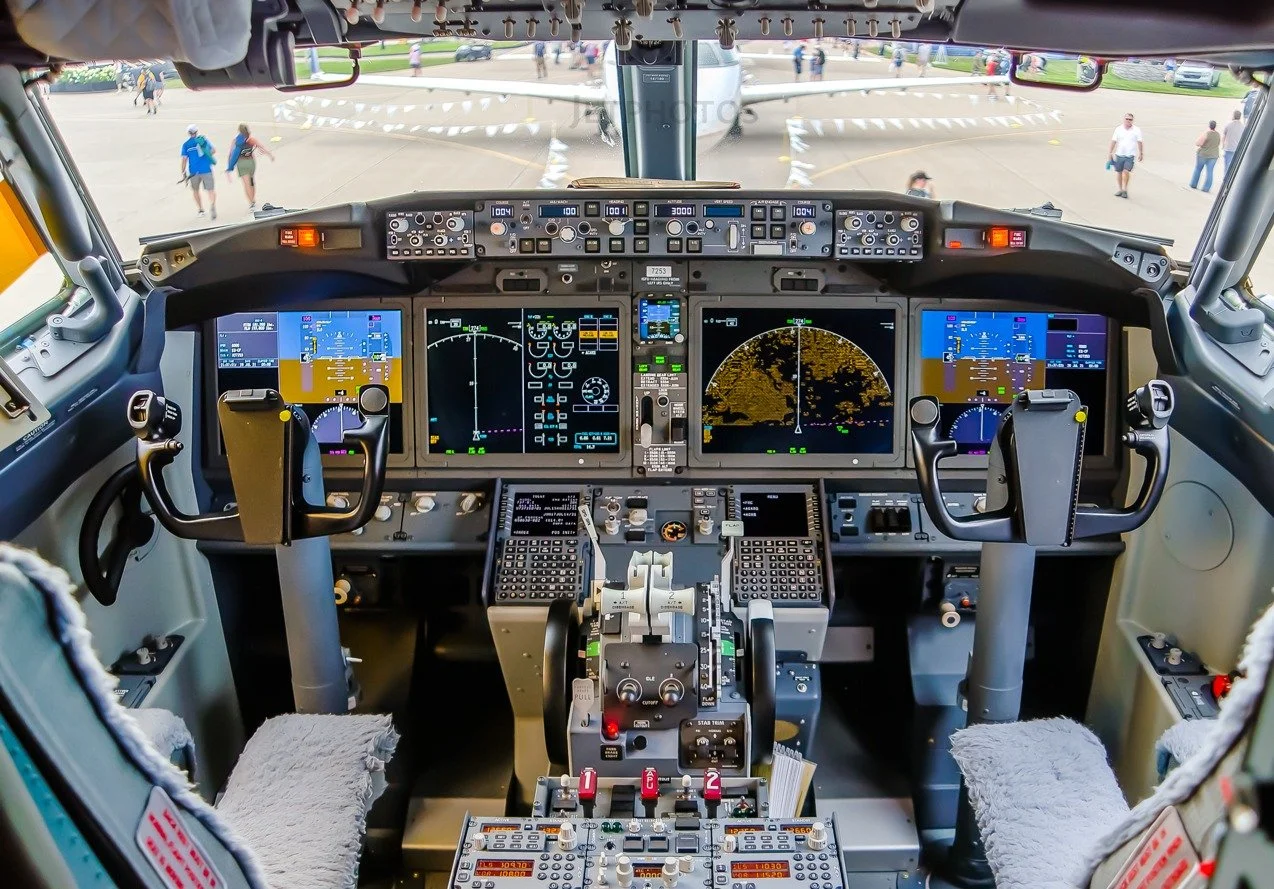
B737 Type Rating
Course Objectives
Our goal is to provide integrated instruction based on theoretical teaching, flight simulator training, and actual flight, all geared towards obtaining the complete knowledge and skills to operate a multicrew aircraft in a CRM operation environment.
We prioritize safety and standard procedures for performing normal, abnormal, and emergency operations, paying special attention to the limitations, systems, and performance of the aircraft.
This comprehensive approach ensures success in the final tests and proficiency checks, meeting the standards required by the authority. Additionally, we offer a Type Rating Boeing B737 Course for those seeking specialization in this specific aircraft model.
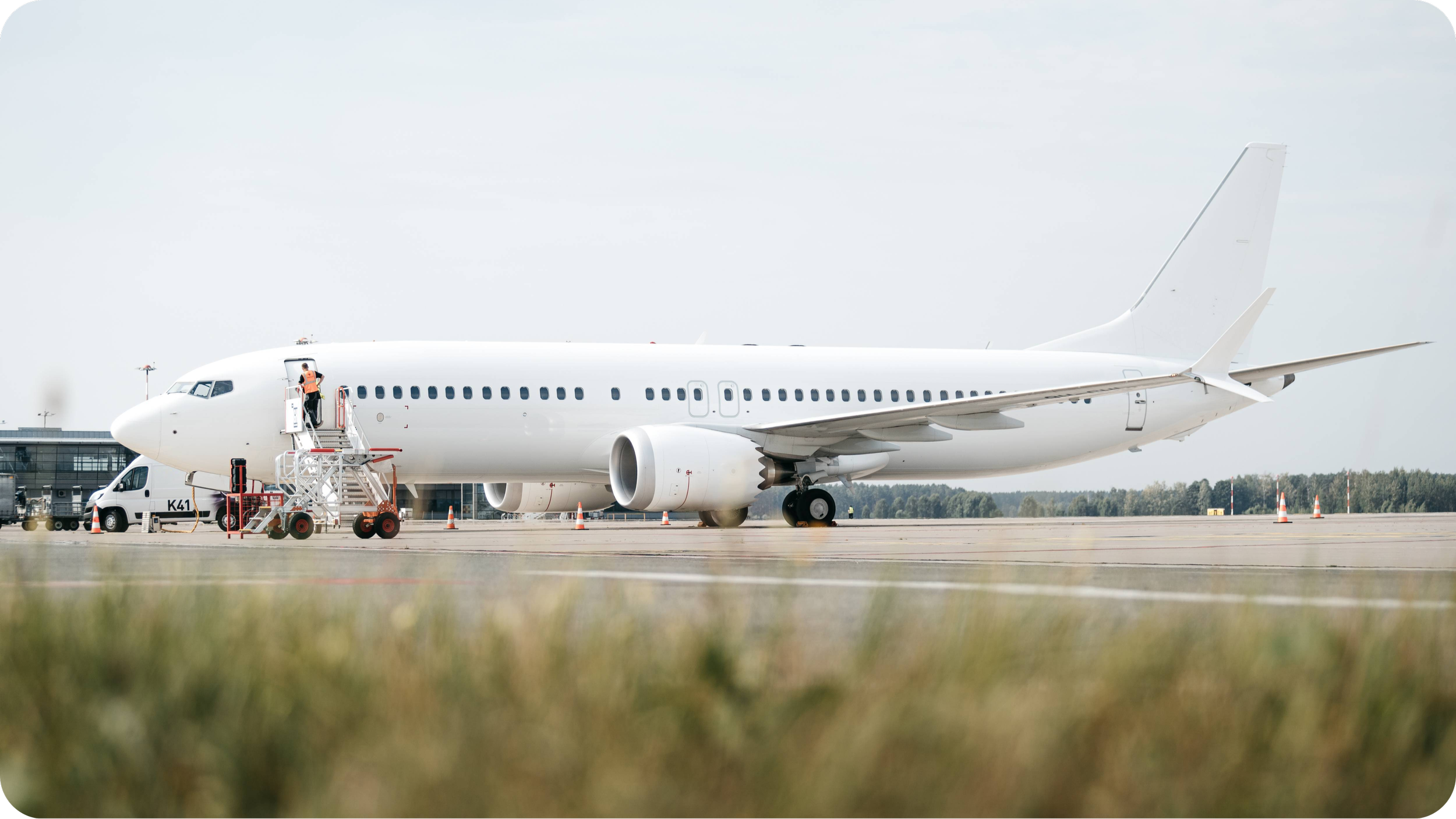
Prerequisites for pilots aspiring their first Type Rating Boeing B737
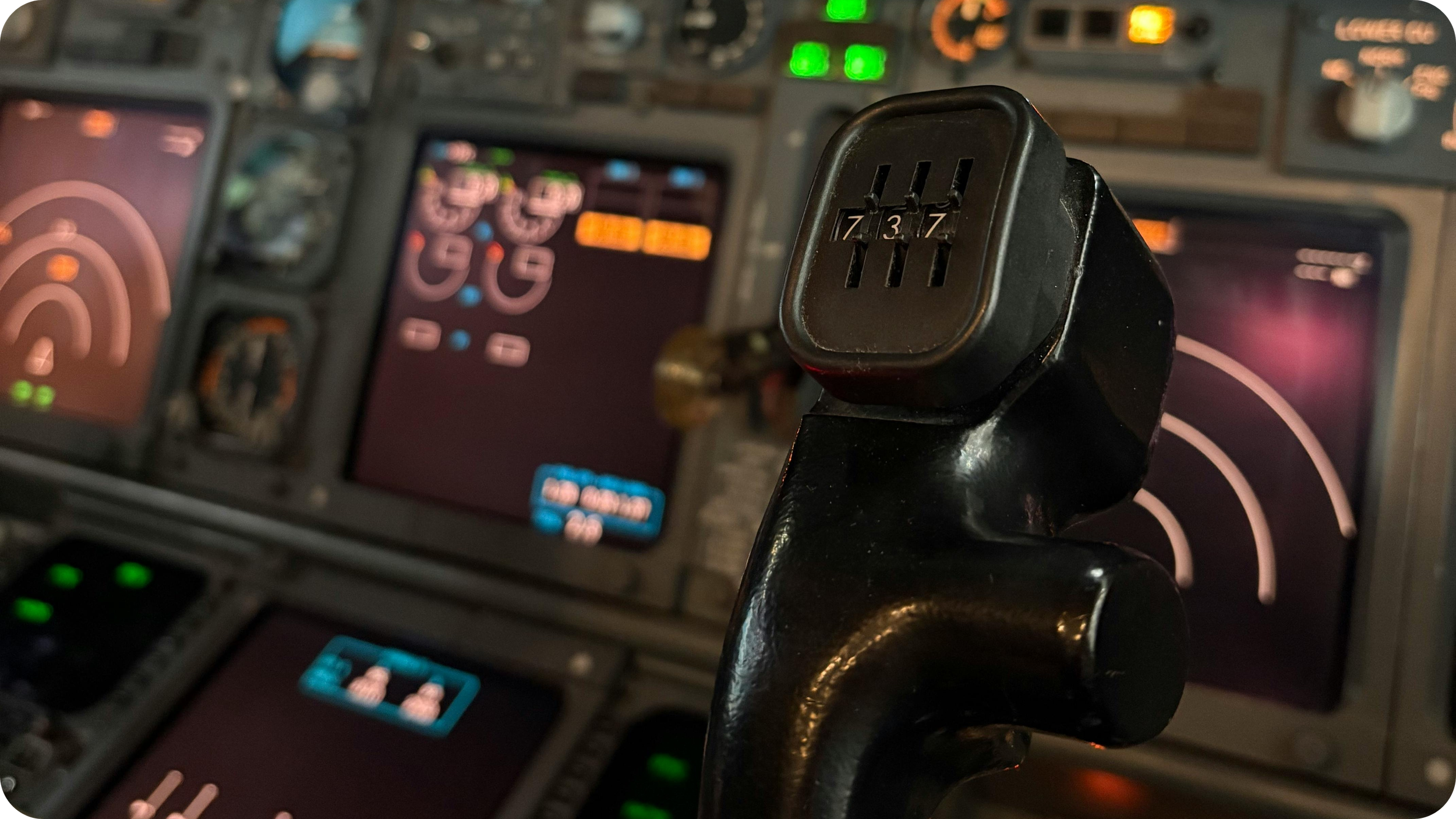
To have a minimum of 70 flying hours as a pilot in command of airplanes.
To be the holder of a valid instrumental flight rating in multi-engine airplanes.
To be the holder of a MCC certificate.
Having received education and theoretical knowledge at a ATPL(A) level, having passed a course and having passed an authority level test.
To be the holder of a valid Class 1 medical certificate.
Training Phases

Theoretical
This phase will be for a period of 18 days with Computer Based Training (CBT), classroom training, as well as in a (CPT) cockpit procedures trainer.
Including considerations about mass and centre of gravity, flight performance and planning.
Knowledge test.
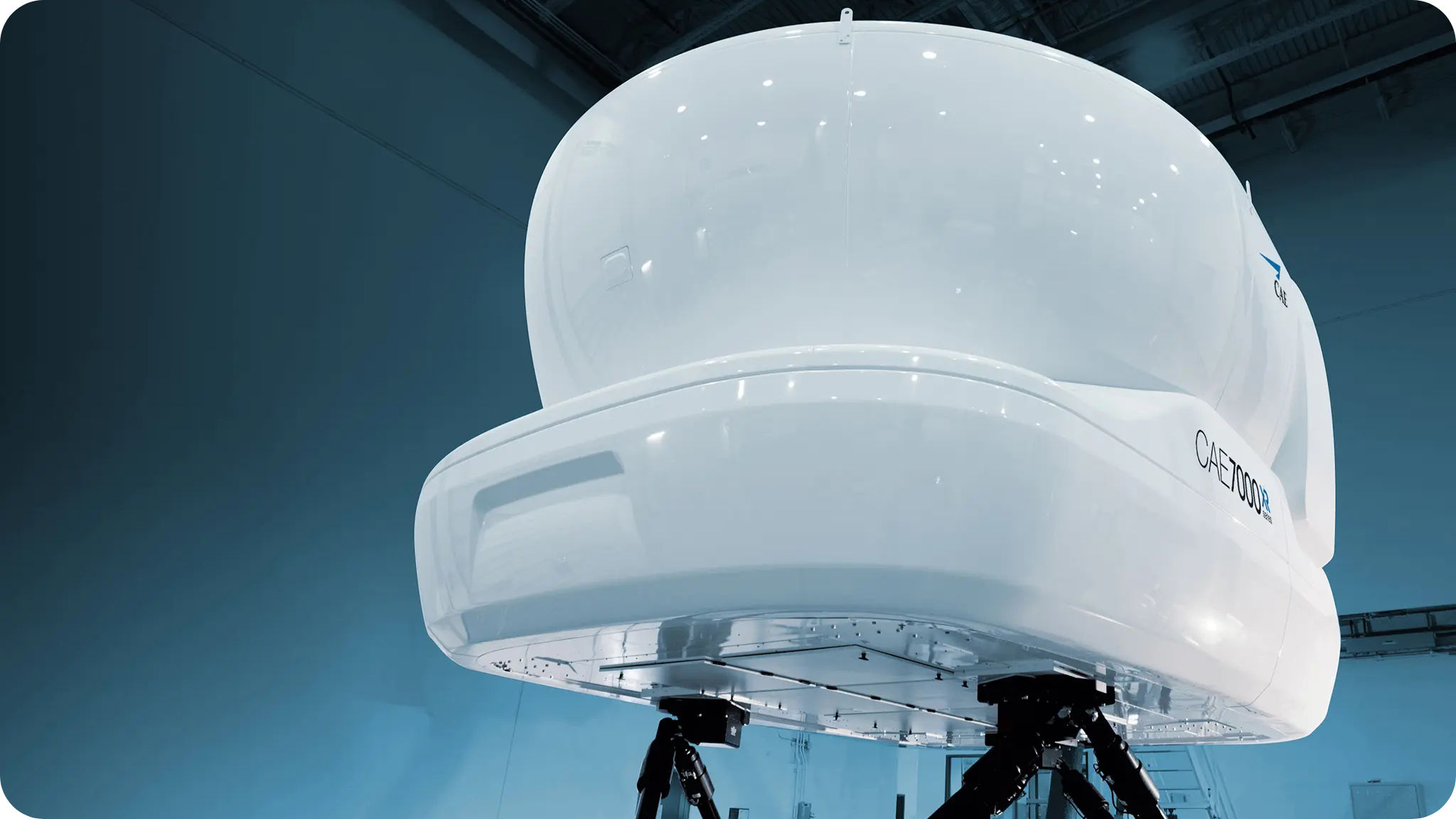
Simulator
It consists of 9 sessions (4 hours each one), which is a total of 36 hours of Full Flight Simulator training (FFS).
Normal, abnormal and emergency operations, as well as the manoeuvres required for a flight and its planning, weight and balance and flight performances.
In the 9th session the expert exam will take place.
Flight
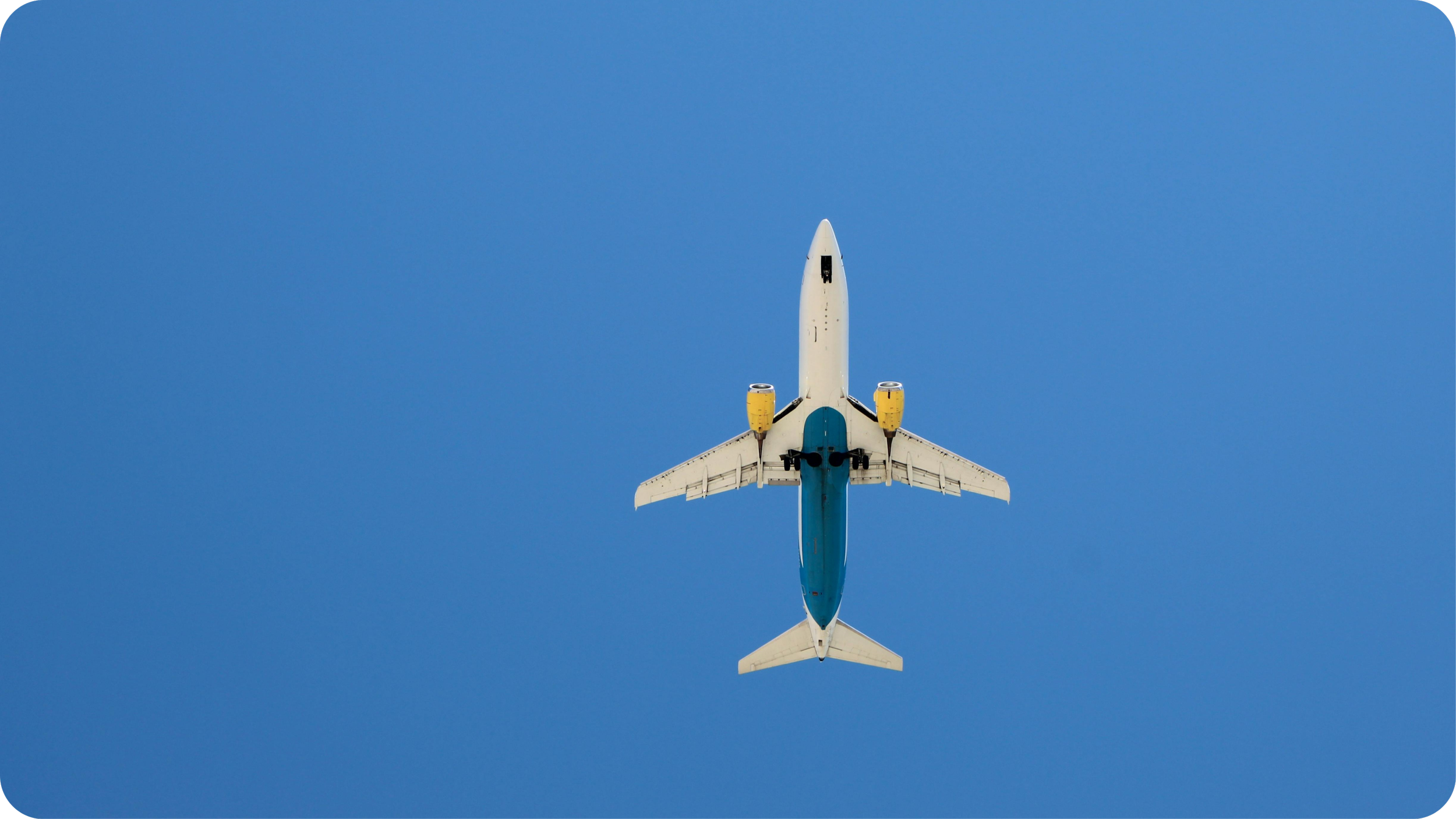
This phase will take place in an actual aircraft, where the take-off and landing manoeuvres will be trained in different configurations, putting into practice the abilities acquired.
Duration according to the experience.
About 35 and 45 minutes of actual flight time.
For eligible pilots, Zero Flight Time Training (ZFTT) may be completed entirely in the simulator.